Embedded inside a post-conflict Ministry of Health, a few years after the war.
I went to Liberia thinking the work would be policy. Most of it turned out to be operating: supply chains, payroll, training, data, and electricity. The observation that became One Degree Solar started here, in seeing what was actually missing on the ground.
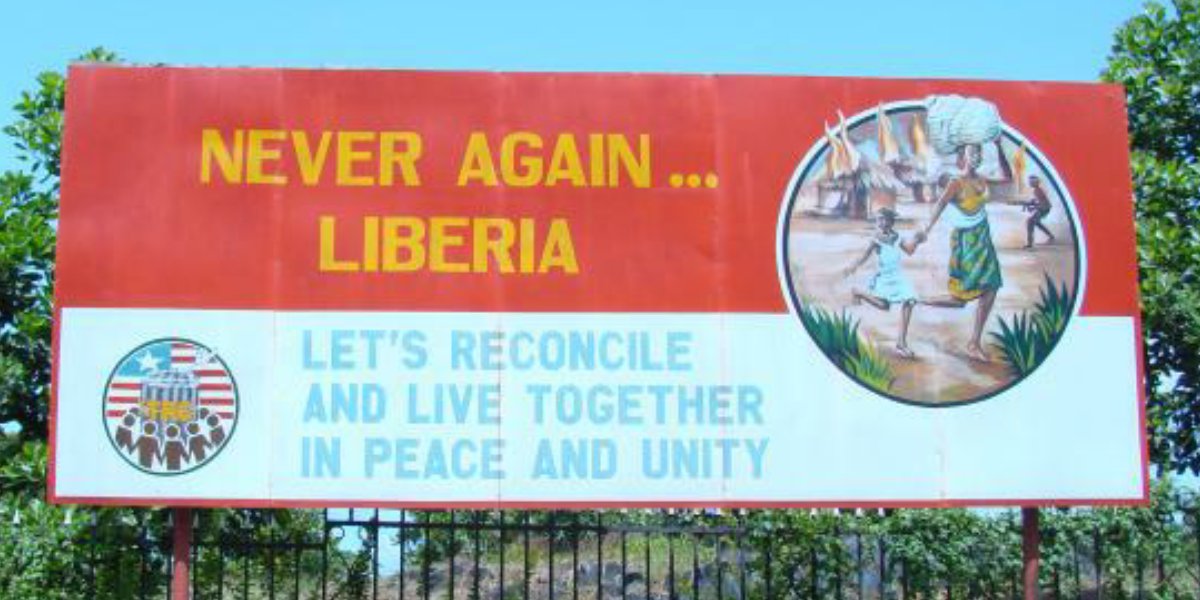
The Ministry I walked into in early 2007 was close to a shell. Most of the senior staff had left during the war, and the records had gone with them. There was no shortage of donors, NGOs, or technical advisers lined up to help. What was missing was anyone treating the rebuild as an operating problem, the kind that needs supply chains, payroll systems, facility management, data infrastructure, and trained people who stay in the job.
So I spent my first months mostly listening. I visited county health offices, walked clinics, and sat with community health workers who had kept basic care going through the war without formal training, employment, or pay. The work I eventually did came out of those conversations rather than a strategy document.
The first big piece of work was money, and more precisely who controlled it. I contributed to Liberia's first post-conflict National Health Plan, helped identify a roughly $280M gap between what the system needed and what it had, and led the process that secured a $9M emergency grant from the World Bank. The national health budget at the time was about $6M, so a single grant came to roughly 1.5 times what the government had to spend on health for the year. It was the first post-war donor funding the Ministry managed directly instead of through an international NGO, and that mattered for everything after it. Donors don't write the second check until they see the first one delivered. The grant catalyzed more than $500M in downstream health investment.
The work I'm proudest of from those years is the quietest. The same pattern kept repeating: expatriate consultants would fly in, write a report, and fly out, while mid-level Liberian staff stayed undertrained and the Minister drowned in work nobody around him could absorb. The Ministry needed a layer of capable Liberian staff who stayed in the job, and that was the one thing the donor model wasn't producing.
So I started LEAP, a competitive, performance-based training program for Ministry staff. Saturday classes taught by senior Liberians rather than expats, a curriculum built with Ministry leadership, and a rule written into any expatriate contract: train your replacement and work yourself out of the job within nine months. The people who came through it became the layer the Ministry had been missing.
LEAP was built to keep working after I left, and it did. It became the model for what the government formalized as the President's Young Professionals Program, and that lineage grew into Emerging Public Leaders, now a pan-African nonprofit past 700 fellows across several countries, led by Betsy Williams, who I worked alongside in those years. I started a training program. Other people carried it much further.
Gaurav was one of the first Clinton Health Access Initiative staff in Liberia. He was instrumental in developing the programs that would go on to rebuild our Ministry.Dr. Walter Gwenigale · Minister of Health, Republic of Liberia
The thing that stayed with me was a problem almost nobody was working on. Clinics had no electricity. National electrification was under 1%. Every conversation about cold chains, maternal health, or community health workers assumed power that most of the country didn't have, and kept assuming it would arrive later. It wasn't arriving.
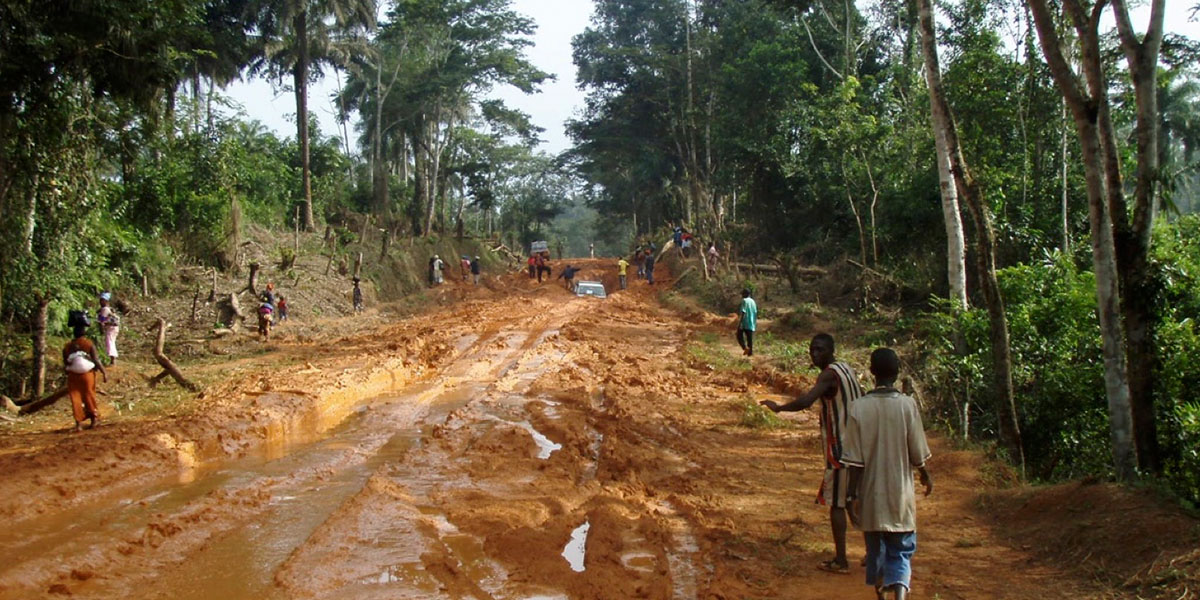
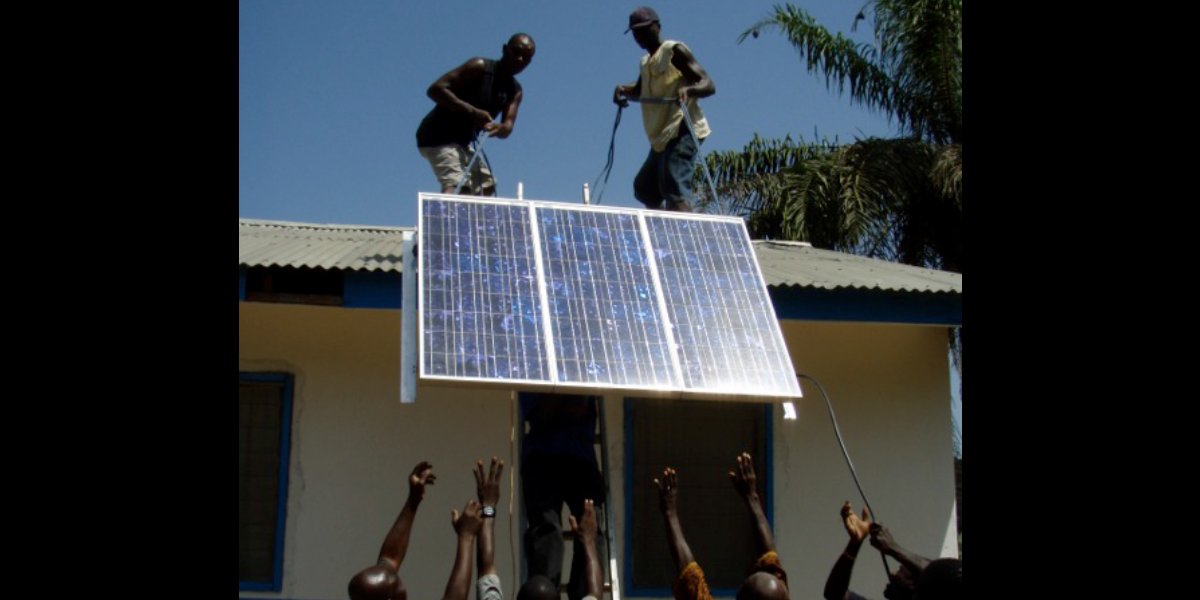
I secured $3M for solar and connectivity at off-grid health facilities, then went out with technicians to install and service the systems myself. That's where I saw what most people in the sector hadn't yet: LEDs, photovoltaic panels, and lithium-ion batteries were all sliding down their cost curves at once, and a roughly $100 system would soon do what a several-thousand-dollar one did. That was the seed of One Degree Solar. I took a detour through USAID first.
Before founding a company, I helped USAID document what I'd seen.
From early 2009 through mid-2012, I worked as an energy-sector reform specialist with USAID across Liberia and Ghana on the Powering Health Initiative, focused on getting reliable electricity into off-grid health clinics. I was lead author and editor of "Energy Management in Your Health Facility," a guidance toolkit for off-grid facility managers that's still in circulation, and I worked with Liberia's Ministry of Energy and its Rural and Renewable Energy Agency on rural electrification planning.
It let me see the same problem from the policy and program side rather than the Ministry-of-Health side I'd been on. By 2012 the cost curves I'd been tracking had arrived, so I left to found One Degree Solar.
Two things stuck with me. The $9M grant didn't come through because Liberia made a better pitch than anyone else. It came through because the World Bank trusted the team to deliver, and once the first money moved and was spent well, more followed. LEAP lasted for the same reason: the program was only ever as good as the Liberians who ran it, and they were good.
The other thing is that I didn't arrive planning to start a solar company. That came from staying long enough to see the problem sitting in plain sight, the clinics with no power. I've worked the same way since, spending the time on the ground before deciding what to build.